
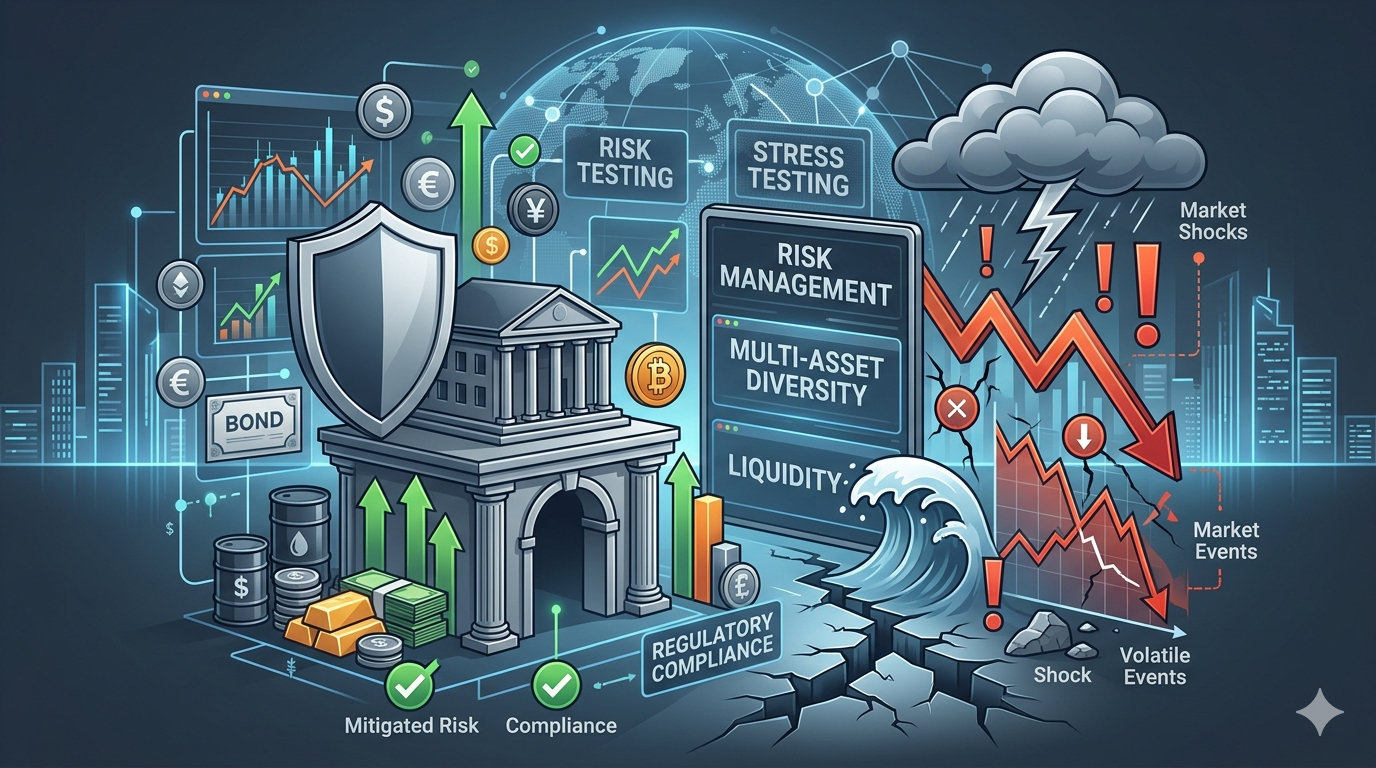
Expanding into multi-asset offerings has been one of the big trends in retail brokerage over the past few years. Where brokers once focused mainly on FX, the majority now provide CFDs on indices, commodities, shares and sometimes more exotic products. This diversification has been positive for revenue and client acquisition but it has also made risk management significantly more complex. And recent market events have been a pointed reminder that managing risk across multiple asset classes requires a very different mindset then running a straightforward FX book.
Brokers who havent updated there risk frameworks to properly account for multi-asset dynamics are leaving themselves exposed to potentially serious losses. The old approaches simply do not translate well when you are dealing with the different characteristics and behaviours of multiple asset classes simultaneously.
What Happens to Correlations Under Stress
Perhaps the most dangerous assumption in multi-asset risk management is that diversification across asset classes automatically means less risk. Under normal conditions there is some truth to this. But when markets come under genuine stress, correlations between different asset classes can spike dramatically. Stocks fall, commodities drop, emerging market currencies weaken, and it all tends to happen at the same time. What looked like a nicely diversified risk book can suddenly turn into a concentrated directional bet. A broker whose clients are long global equity indices, long commodities and long AUD/USD might assume the exposure is well spread out. But in a proper risk-off event all of those positions move against the broker simultaneously. This is exactly why the more sophisticated multi-asset brokerages now use stress testing that explicitly models correlation spikes rather then relying on normal-market correlation assumptions.
Liquidity Varies Dramatically Across Assets
The liquidity profile of different asset classes varies enormously and this directly impacts how risk needs to be managed. FX majors are generally liquid around the clock. But individual stock CFDs can have very limited liquidity outside of there primary exchange hours. Commodities have there own patterns often driven by physical market dynamics that may be unfamiliar to teams with primarily FX backgrounds.
What this means in practice is that hedging strategies must be tailored to each asset class. A broker can usually hedge FX exposure almost instantly. But a large position in an illiquid stock CFD might take hours to work out of. Gap risk, meaning the risk of prices jumping substantially between sessions, is much more of an issue in equity and commodity markets then in FX.
Earnings announcements are a particularly acute example. Individual stocks can gap 10 or even 20 percent after an earnings release. If a broker has significant client exposure to a particular stock ahead of earnings the potential for losses is real and substantial. Having clear policies around earnings-related risk including possible margin increases or position limits before major announcements is absolutely necessary.
Getting Margin and Leverage Right
Regulatory leverage limits differ by asset class and brokers need margin systems that can handle this complexity properly. In alot of jurisdictions the maximum leverage for FX majors is different from minors, which is different from indices, which is different again from individual shares. Getting all these calculations right across every instrument requires robust systems and careful monitoring. Dynamic margin adjustment is becoming more common as well. Some progressive brokerages now adjust margin requirements automatically in response to changes in volatility. When volatility goes up, margins increase which reduces the brokers exposure. Its a more sophisticated approach then static levels but it takes significant technology investment to implement well.
Operational Complexity
Multi-asset brokers face elevated operational risk beyond just market risk. Each asset class comes with its own conventions around settlement, corporate actions, data requirements and market hours. Managing all of these correctly demands specialized knowledge and well-designed operational processes.
Corporate actions on equity CFDs are a frequent source of headaches. Dividends, stock splits, rights issues and other events all need processing accurately and on time. Mistakes in this area lead directly to financial losses and unhappy clients. Having dedicated operations staff with real expertise across all the asset classes you offer is not a luxury but a necessity.
Building Something That Can Withstand Stress
Effective multi-asset risk management comes down to building a framework thats comprehensive enough to cover everything but flexible enough to adapt quickly. Real-time visibility across all asset classes, proper stress testing, dynamic margin management and clear escalation procedures for extreme situations are all essential components. The people side matters too. Managing risk across asset classes requires a team with genuinely diverse expertise. FX specialists who understand currency dynamics, equity people who can navigate corporate actions and earnings risk, commodity professionals who know the physical market. The growing demand for multi-asset expertise shows up clearly in hiring patterns across the industry.
At the end of the day, the brokers who handle multi-asset risk most effectively will be those that invest proactively in technology, people and processes. Recent events have demonstrated that inadequate risk management in a multi-asset environment can be existential. The cost of building it properly is far less then the cost of getting it wrong.

